Showing posts with label special bearings for robot reducer. Show all posts

Wednesday, May 14, 2025

Enhancing Robotic Joint Performance with Specialized Bearings

Robotic technology has advanced exponentially in recent years, with applications spanning from industrial automation to humanoid robots and even quadruped robotic companions. At the heart of any advanced robotic joint lies a crucial component ensuring seamless movement and stability: special bearings for robot reducer. These precision-engineered devices are essential for the grace and strength seen in robotic movement. This blog explores the critical role of special bearings in robotic reducers, how to choose the right ones, ways to ensure longevity, and the latest innovations pushing the boundaries of performance.

Table of contents:

The Importance of Bearings in Robotic Joint Mechanisms

Selecting Bearings for Optimal Joint Movement and Load Capacity

Maintenance Tips for Prolonging Bearing Life in Robotic Joints

Innovations in Bearing Design for Advanced Robotic Articulations


The Importance of Bearings in Robotic Joint Mechanisms

Specialized bearings serve as the backbone of robotic movement, offering the precision and stability needed to achieve desired motions. Whether in humanoid robots or robot dogs, these bearings are fundamental in joints such as the hips, knees, arms, and legs. They convert motor-generated forces into controlled motion, enabling both fluidity and strength in various applications, from delicate tasks such as surgery to rugged industrial work. Bearings used in robots must excel in high precision, rigidity, and durability to withstand frequent movements, high-frequency shocks, and complex multi-directional loads. For instance, cross roller bearings and four-point contact bearings are widely deployed due to their ability to handle axial, radial, and tilting forces efficiently. These characteristics ensure dexterity and flexibility while maintaining the structural stability that robotic performance demands.


Selecting Bearings for Optimal Joint Movement and Load Capacity

When choosing bearings for robotic joints, identifying optimal performance characteristics is paramount. Precision is key; a slight deviation in bearing performance can lead to instability, compromising the robot's functionality. Bearings such as the RV reducer bearing, harmonic reducer bearing, and cross roller bearings are highly sought after in robotic applications due to their unique attributes. Harmonic reducer bearings offer compact designs and excellent load capacities, while cross roller bearings provide superior rotational accuracy and can carry complex loads in all directions. The materials used in the bearings also play a vital role. Lightweight yet durable designs ensure that robots maintain efficiency without being weighed down. Choosing specialized bearings for robot reducers requires analyzing the intended application, considering factors such as the expected motion range, load capacity, and environmental conditions the robot will operate in. Collaborating with a reputable bearing supplier or ball bearing manufacturer can make this selection process seamless, ensuring the right components match the robot's needs for precise motion control and longevity.


Maintenance Tips for Prolonging Bearing Life in Robotic Joints

While advanced bearings are engineered for durability, proper maintenance is non-negotiable to extend their operational life and maintain peak performance. Regular lubrication is crucial, as it reduces friction and prevents wear. Using the appropriate lubricant specified by the bearing manufacturer ensures optimal results. Routine inspections are essential to identify wear or damage early. Look for signs such as unusual noises, increased resistance, or temperature changes, which may indicate bearing fatigue. Keeping the environment clean and free of contaminants such as dust and moisture further enhances bearing health, as these particles can affect precision and cause premature failure. Proper installation is equally important. Bearings must be aligned accurately to avoid undue stress, which could lead to uneven wear and performance inconsistencies. Finally, adhering to the manufacturer's recommended usage limits for load and speed ensures the bearings function within safe operational parameters. Implementing these practices will not only prolong the life of specialized bearings in robotic joints but also optimize the robot’s overall performance.


Innovations in Bearing Design for Advanced Robotic Articulations

The robotics industry continues to innovate in bearing design to meet the demands of advanced robotics. Bearings are now engineered for more precise and dynamic movements, expanding their use across various robotic systems. Flexible bearings for robot reducers, like HYR harmonic reducer bearings, enable intricate, precise motions. Cross roller bearings, with improved load-handling capabilities, reduce vibration and enhance joint accuracy. Lightweight designs lower inertia for faster joint responses while maintaining stability. Bearings with low-noise and low-temperature rise technology boost efficiency, especially in high-frequency operations. These developments ensure bearings meet the needs of current and future robotic systems. Applications like humanoid and quadruped robots rely on these innovations to maintain balance and withstand rapid, multi-directional movements. By collaborating with expert manufacturers and adopting advanced bearing technologies, businesses can optimize their robotic systems and gain a competitive edge in this evolving field.


Specialized bearings are the unsung heroes behind the fluid, precise movements of modern robots. Their importance in robotic joint mechanisms is unparalleled, ensuring the balance, stability, and performance of robots across various industries. From selecting the right bearings to adopting proactive maintenance strategies and leveraging the latest innovations, businesses have numerous tools to enhance robotic performance. Collaborating with a trusted bearing supplier ensures access to high-quality components tailored to meet rigorous robotic demands. If you're looking to elevate the performance of your robotic systems, explore the comprehensive range of special bearings for robot reducer at Arorotech. Discover how our expertly crafted bearings can transform your robotics projects with unmatched precision and durability.
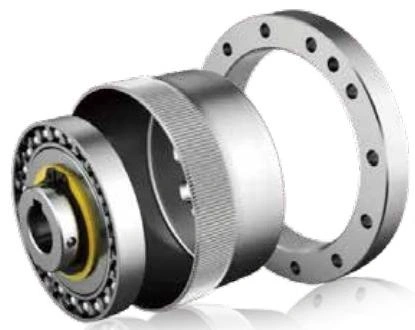


special bearings for robot reducer

Sunday, April 13, 2025

Advancements in Ball Bearing Manufacturing for Robotics

Ball bearings play a crucial role in the realm of robotics, ensuring smooth and precise movement in various mechanical applications across humanoid robots, robotic arms, and even quadruped robots. Over the years, advancements in ball bearing manufacturing have revolutionized the robotics industry. From innovative materials to precision engineering techniques, these developments are pushing the limits of robotics performance. This blog explores key advancements, the impact of these enhancements on bearing performance, and the exciting future of ball bearing technology for robotics.

Table of contents:

Innovative Materials Used in Modern Ball Bearings

Precision Engineering Techniques in Bearing Production

The Impact of Advanced Manufacturing on Bearing Performance

Future Trends in Ball Bearing Technology for Robotics


Innovative Materials Used in Modern Ball Bearings 

Modern ball bearings owe much of their efficiency to the advanced materials used in their construction. Traditional steel bearings have evolved to include high-grade material options like ceramic and hybrid ceramic bearings. Ceramic options, such as silicon nitride, are increasingly favored for their lightweight, high-strength characteristics, and corrosion resistance. These materials are especially valuable in robotics where reducing weight without compromising structural integrity is critical. For example, special bearings for robot reducer use high-precision materials that are tailored for demanding operational conditions. This includes bearings that withstand high-frequency shocks and maintain excellent motion control in complex environments, such as the joints of humanoid robots or robot dogs. This leap in materials is helping ball bearing manufacturers create products with exceptional durability, stiffness, and reduced maintenance needs.


Precision Engineering Techniques in Bearing Production 

Precision engineering is foundational in ball bearing manufacturing today, particularly when creating components that are vital to a robot's core movements. Advanced machining techniques, including computer numerical control (CNC) machining, ensure precise alignment and surface finishes, allowing bearings to operate with near-zero friction. Furthermore, innovations such as laser texturing and anti-fatigue coating applications enhance the durability and accuracy of bearings under extreme loads. A significant example is noted in the production of RV and harmonic reducer bearings that are specially designed for robotics. These bearings depend on intricate designs, such as cross roller bearing and four-point contact bearings, which can support axial, radial, and torsional loads simultaneously. Bearing supplier are also utilizing automation and AI-driven manufacturing processes to identify defects early, ensuring a higher level of precision and quality control.


The Impact of Advanced Manufacturing on Bearing Performance 

The advancements in materials and engineering techniques directly contribute to improved bearing performance in robotics. Bearings today can withstand complex multi-directional loads, provide reliable motion, and enhance long-term accuracy in demanding applications. For robotic joints, such as those found in hips, knees, or arms, these high-performance bearings reduce vibration and noise while increasing torque capabilities. This makes them pivotal in creating robots that mimic human-like movements or react to external stimuli, such as robotic dogs used for advanced tasks. Notably, innovative ball bearing manufacturers focus on creating products with longer lifespans and lightweight structures, helping robots remain agile yet strong. For instance, flexible bearings and harmonic reducer bearings are engineered to deliver unparalleled precision, making them ideal for use in humanoid robotics and automation systems intended for industrial applications.


Future Trends in Ball Bearing Technology for Robotics 

The future of ball bearing technology in robotics is set to be marked by significant breakthroughs, heavily influenced by trends in automation and AI. Smart bearings with embedded sensors are becoming a reality, allowing real-time performance monitoring. These sensors can measure parameters such as speed, vibration, and temperature, helping predict failures before they disrupt operations. Ball bearing manufacturers may also leverage advancements in nanotechnology, using nano-coatings to further minimize friction and enhance wear resistance. Another growing trend is the emphasis on environmentally friendly manufacturing processes. Sustainable practices, such as reducing waste and utilizing recyclable materials, are becoming priorities for bearing suppliers. Additionally, custom-designed bearings for specific robotic applications are expected to gain traction as robots continue to diversify in form and function. Bearings will likely become even smaller as robots themselves become more compact, creating opportunities for micro-sized bearing designs. This continual evolution underscores the critical role of advancements in bearing technologies in shaping the future of robotics.


The robotics industry owes much of its progress to the remarkable advancements in ball bearing manufacturing. From innovative materials to precision engineering and the exploration of smart technologies, high-performance bearings have propelled robots into new domains of capability and efficiency. Bearing manufacturers and suppliers continually innovate to meet the unique demands of robotics, helping create solutions for next-generation applications. By leveraging special bearings for robot reducers and other state-of-the-art technologies, robotics engineers and developers can unlock unparalleled possibilities in efficiency, precision, and performance.


special bearings for robot reducer