Table of contents:
Reducing Environmental Impact with Eco-Friendly Storm Drain Pipe Materials
The Long-Term Benefits of Investing in Advanced Rainwater Drainage Pipe Systems
Integrating HDPE Siphon Technology with Green Building Practices
How Innovative Drainage Solutions Surpass Traditional Corrugated Drain Pipes
Reducing Environmental Impact with Eco-Friendly Storm Drain Pipe Materials
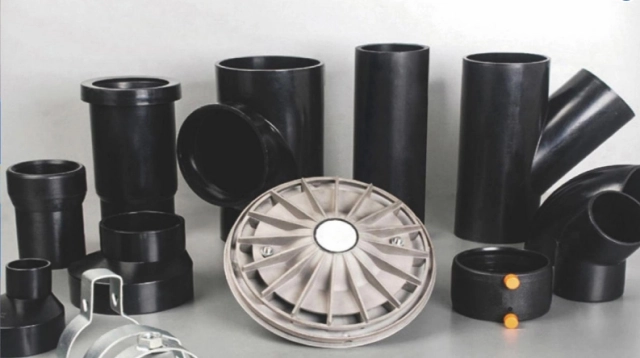
The choice of materials in drainage systems plays a crucial role in environmental sustainability. Leading rainwater drainage pipe manufacturers have turned to high-density polyethylene (HDPE) as the primary material for siphon drainage pipes. This eco-friendly alternative to traditional materials offers numerous benefits. HDPE is fully recyclable, reducing the environmental footprint of drainage infrastructure. Moreover, its durability and resistance to corrosion mean fewer replacements and less waste over time. Wholesale drainage pipe suppliers are increasingly stocking HDPE options to meet the growing demand for sustainable building practices. By choosing HDPE siphon drainage pipes, projects can significantly reduce their environmental impact while maintaining high performance in water management.
The Long-Term Benefits of Investing in Advanced Rainwater Drainage Pipe Systems
Investing in advanced rainwater drainage pipe systems offers substantial long-term benefits for building owners and municipalities. While the initial cost may be higher than traditional systems, the longevity and efficiency of HDPE siphon drainage pipes result in significant savings over time. These systems, developed by innovative drainage pipe manufacturers, require less maintenance and have a longer lifespan than conventional alternatives. The superior flow capacity of siphon systems means fewer pipes are needed, reducing material costs and simplifying installation. For wholesale drainage pipe distributors, this translates to a more valuable product offering that meets the evolving needs of the construction industry. The long-term economic advantages, coupled with improved performance, make HDPE siphon drainage pipes an attractive option for forward-thinking projects.
Integrating HDPE Siphon Technology with Green Building Practices
The integration of HDPE siphon drainage pipes into green building practices represents a significant leap forward in sustainable construction. Rainwater drainage pipe manufacturers are collaborating with architects and engineers to create holistic water management solutions that complement other eco-friendly building features. These systems can be seamlessly incorporated into rainwater harvesting setups, allowing buildings to not only manage stormwater efficiently but also to reuse collected water for irrigation or non-potable applications. The versatility of HDPE pipes enables pipe manufacturers to create custom solutions that fit the unique requirements of each project, from residential complexes to large commercial structures. This adaptability is crucial for green building certifications and helps projects meet stringent environmental standards.
How Innovative Drainage Solutions Surpass Traditional Corrugated Drain Pipes
The superiority of HDPE siphon drainage pipes over traditional corrugated drain pipes is evident in several key areas. The siphon effect utilized by these innovative systems allows for more efficient water removal, even during heavy rainfall events. Unlike conventional gravity-based systems, siphon drainage pipes can operate at full capacity, maximizing flow rates and minimizing the risk of overflow. Drainage pipe manufacturers have engineered these systems to be self-priming, ensuring consistent performance without the need for external power sources. The smooth interior of HDPE pipes reduces friction, allowing for smaller diameter pipes to handle larger volumes of water compared to corrugated alternatives. This efficiency translates to space savings and greater design flexibility for architects and engineers, making HDPE siphon systems the preferred choice for modern construction projects.
Embracing HDPE siphon drainage pipe technology marks a significant step towards more sustainable and efficient water management in urban environments. As cities face increasing challenges from climate change and rapid urbanization, the adoption of these advanced systems becomes crucial. Rainwater drainage pipe manufacturers continue to innovate, pushing the boundaries of what's possible in stormwater management. The benefits extend beyond individual buildings, contributing to more resilient and environmentally friendly urban infrastructure. For property developers, facility managers, and city planners, investing in HDPE siphon drainage pipes represents a commitment to long-term sustainability and operational efficiency. As awareness grows, we can expect to see this technology becoming the new standard in rainwater management across diverse construction projects worldwide.


No comments:
Post a Comment