Table of contents:
Analyzing the Environmental Impact of 36V Lithium Ion Battery Pack Production
Recycling and Repurposing: The Afterlife of Electric Bike Batteries
Energy Efficiency Compared: 36V 10Ah Electric Bike Battery vs. Traditional Transportation
Green Riding: How Advanced Battery Technology Promotes Sustainable Commuting
Analyzing the Environmental Impact of 36V Lithium Ion Battery Pack Production
The production of electric bike batteries, particularly the 36V lithium ion battery for ebike models, involves a complex process that does have environmental considerations. While these batteries offer significant benefits in terms of reducing carbon emissions during use, their manufacturing does require energy and resources. The extraction of raw materials like lithium, cobalt, and nickel can have localized environmental impacts. However, manufacturers are increasingly adopting sustainable practices, such as using renewable energy in production facilities and sourcing materials responsibly. The long lifespan of modern electric bike batteries, often exceeding 1000 charge cycles, helps offset the initial production impact by providing years of clean transportation.
Recycling and Repurposing: The Afterlife of Electric Bike Batteries
As the electric bike market grows, so does the importance of proper battery disposal and recycling. Many electric bike battery packs, including the 36V models, can be recycled to recover valuable materials like lithium, cobalt, and copper. This process not only reduces waste but also decreases the need for new raw material extraction. Some companies are exploring innovative ways to repurpose electric bike batteries that have reached the end of their e-bike life. These batteries can often still hold a significant charge capacity, making them suitable for stationary energy storage applications. By extending the useful life of these batteries beyond their initial purpose, the overall environmental footprint of electric bike batteries is further reduced.
Energy Efficiency Compared: 36V 10Ah Electric Bike Battery vs. Traditional Transportation
When comparing the energy efficiency of electric bike batteries to traditional transportation methods, the benefits become clear. A typical 36V 10Ah electric bike battery can power a bicycle for 30-50 miles on a single charge, depending on factors like terrain and rider input. This level of efficiency far surpasses that of gasoline-powered vehicles, especially for short to medium-distance trips. The electric bike battery's ability to convert stored energy into motion with minimal losses contributes to its high efficiency. Moreover, the ability to recharge electric bike batteries using renewable energy sources like solar or wind power further enhances their eco-friendly profile, making them a truly sustainable alternative to fossil fuel-dependent transportation options.
Green Riding: How Advanced Battery Technology Promotes Sustainable Commuting
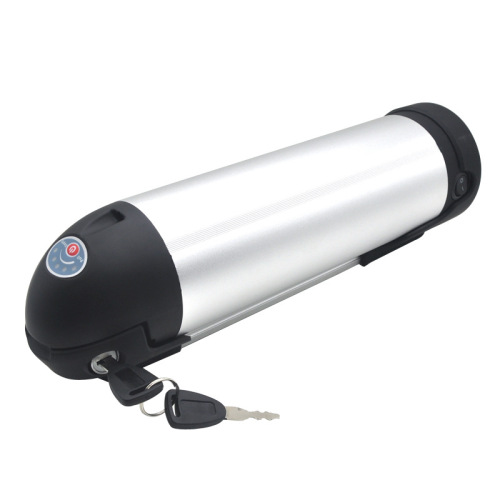
Advanced battery technology in electric bikes is revolutionizing urban commuting by offering a clean, efficient, and convenient mode of transportation. The 36V lithium ion battery for ebike use exemplifies this progress, providing ample power in a compact, lightweight package. These batteries enable riders to tackle longer distances and steeper inclines without breaking a sweat, making e-bikes a viable option for a broader range of commuters. By encouraging more people to switch from cars to electric bikes for daily trips, this technology directly contributes to reduced traffic congestion and lower urban air pollution levels. The convenience and reliability of modern electric bike batteries are key factors in promoting widespread adoption of sustainable commuting practices.
The role of electric bike batteries in shaping a more sustainable future for personal transportation cannot be overstated. From their production to their end-of-life management, these power sources are continually evolving to minimize environmental impact while maximizing performance. The 36V electric bike battery stands out as a prime example of how lithium-ion technology can be harnessed to create efficient, long-lasting power solutions for eco-friendly vehicles. As battery technology continues to advance, we can expect even greater improvements in capacity, lifespan, and sustainability. By choosing electric bikes powered by these innovative batteries, commuters are not just selecting a convenient mode of transport; they're actively participating in a cleaner, greener urban mobility revolution that promises to transform our cities and reduce our collective carbon footprint for years to come.


No comments:
Post a Comment