Table of contents:
Planning 5G Cell Tower Locations for Optimal Coverage and Capacity
The Role of Signal Towers in Bridging the Digital Divide
Integrating Communication Towers with Existing Infrastructure
How Telecommunication Towers Support Multiple Wireless Technologies
Planning 5G Cell Tower Locations for Optimal Coverage and Capacity
The advent of 5G technology has sparked a new challenge for signal tower manufacturers: creating infrastructure that can support the high-frequency, short-range signals characteristic of this next-generation network. Unlike previous generations, 5G requires a denser network of smaller cells to provide the promised ultra-fast speeds and low latency. Signal tower suppliers are rising to this challenge by developing innovative solutions that blend seamlessly into urban environments. These may include miniaturized tower designs that can be mounted on existing structures like lamp posts or building facades. The strategic placement of these towers is crucial, requiring sophisticated planning tools and collaboration between signal tower manufacturers and network operators to ensure optimal coverage without visual clutter.
The Role of Signal Towers in Bridging the Digital Divide
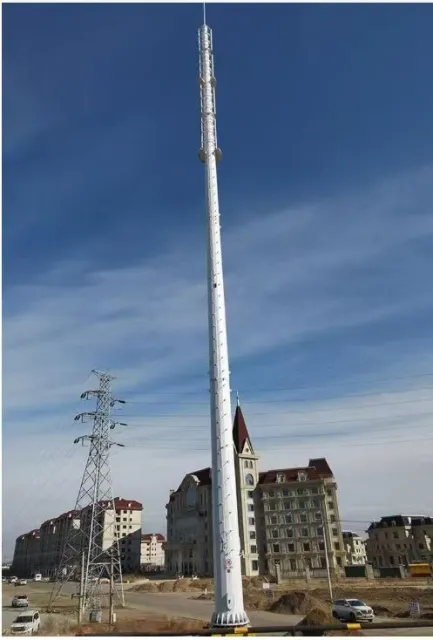
In rural and remote areas, the importance of signal towers becomes even more pronounced. Here, signal tower suppliers play a pivotal role in bridging the digital divide, bringing high-speed internet and reliable mobile coverage to underserved communities. The challenges in these regions are unique, often requiring signal tower manufacturers to design structures that can withstand harsh environmental conditions while providing extensive coverage over vast, sparsely populated areas. These towers not only facilitate communication but also enable access to essential services like telemedicine and distance learning. By working closely with local authorities and telecom companies, signal tower suppliers are instrumental in creating the infrastructure that connects isolated communities to the global digital ecosystem.
Integrating Communication Towers with Existing Infrastructure
As urban areas become more densely populated, the integration of signal towers with existing infrastructure has become a key focus for signal tower manufacturers. This approach not only addresses space constraints but also helps in minimizing the visual impact of these necessary structures. Innovative signal tower suppliers are developing multi-purpose designs that can serve as street lighting, digital signage, or even artistic installations while housing the necessary communication equipment. This integration requires a delicate balance between functionality and aesthetics, pushing signal tower manufacturers to collaborate with urban planners and architects. The result is a new generation of smart city infrastructure that seamlessly blends connectivity with urban design, enhancing both the technological and visual landscape of our cities.
How Telecommunication Towers Support Multiple Wireless Technologies
The versatility of modern signal towers is a testament to the ingenuity of signal tower manufacturers. Today's towers are designed to support multiple wireless technologies simultaneously, from 4G and 5G cellular networks to Wi-Fi, IoT sensors, and emergency communication systems. This multi-functionality is crucial for maximizing the utility of each tower installation. Signal tower suppliers are developing modular designs that allow for easy upgrades and additions as technology evolves. These adaptable structures ensure that investments in infrastructure remain future-proof, capable of supporting emerging technologies without requiring complete replacement. Furthermore, the ability to host multiple carriers on a single tower promotes infrastructure sharing, reducing costs and environmental impact while improving overall network efficiency.
The strategic deployment of signal towers is fundamental to the expansion and improvement of wireless networks worldwide. As we continue to rely more heavily on wireless communication, the role of signal tower manufacturers in shaping our connected future cannot be overstated. These suppliers are not just erecting metal structures; they're building the framework for global communication, economic growth, and technological advancement. From urban centers to remote villages, the innovative solutions provided by signal tower suppliers are essential in creating a more connected, equitable world. As we look to the future, the continued evolution of signal tower design and deployment will be crucial in meeting the ever-growing demands of our digital society, ensuring that the benefits of wireless technology are accessible to all.


No comments:
Post a Comment